
A Complete Guide to Sewer Line Maintenance
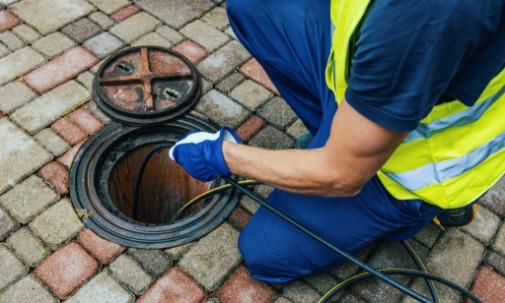
Do you need to hire a professional for sewer line maintenance, but aren't quite sure what to expect out of the service? While each company's process varies slightly, each follows a similar sequence of steps. Here's what a professional sewer line maintenance visit typically looks like, step by step.
Schedule an Inspection First
Before any maintenance work begins, a technician will inspect your sewer line to see what condition it’s in. The inspection may reveal a blockage, root intrusion, or damage inside the pipe. With that information, the crew can choose equipment that fits the problem instead of starting work based on assumptions.
Some companies schedule the inspection separately, while others include it in the first service visit. Either way, expect the technician to ask about any symptoms you've noticed, such as slow drains, gurgling sounds, or sewage odors in the yard during normal day-to-day use.
Camera Inspection of the Line
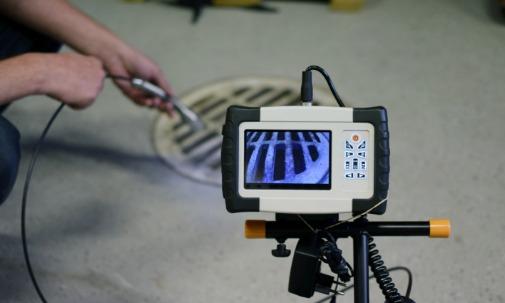
Once the technician is on site, they feed a small waterproof camera into the sewer line through a cleanout. As the camera moves through the pipe, it sends live footage to a monitor above ground so the crew can see the line from the inside.
The footage can reveal grease buildup, invasive roots, cracked sections, misaligned joints, or areas where debris restricts flow. The technician also records the inspection, giving you a reference point if the line needs repairs or another inspection later.
Locating the Line Underground
After the camera inspection, a technician uses a locating device to trace the pipe's path and depth beneath the ground. The camera head transmits a signal that the locator picks up from the surface, marking exactly where the line runs and how deep it sits.
Why does this step come before any cleaning or repair? If a section of pipe needs to be excavated later, the crew needs to know precisely where to dig. Guessing adds time and cost. Accurate locating also tells the technician whether the pipe runs under any structures, driveways, or landscaping that would affect how the work gets done.
Hydro Jetting to Clear the Line
Hydro jetting is the primary cleaning method most professional crews use. A specialized nozzle gets inserted into the cleanout and pushed through the pipe while high-pressure water blasts in multiple directions simultaneously. The forward jets break up blockages, and the rear jets push debris back toward the cleanout for removal.
This method removes grease, mineral deposits, and soft root intrusions that snaking might miss. The pressure can be adjusted depending on the pipe material and the severity of the buildup, so older clay pipes get treated differently than newer PVC. After a hydro jet pass, the pipe's interior is typically close to its original diameter again.
Root Treatment When Needed
If the camera footage showed root intrusion, a chemical root treatment may follow the cleaning. A foaming root killer gets introduced into the line after jetting, where it coats the pipe walls and kills off any remaining root fibers. The foam clings to the interior surface long enough to work before it breaks down.
This doesn't remove roots that have already been flushed out. It prevents regrowth from the same entry points by killing the root tissue at the pipe wall. Depending on the severity of the intrusion, a technician may recommend scheduling this treatment annually or bi-annually to stay ahead of regrowth.
Post-Cleaning Camera Pass
After jetting and any chemical treatment, the camera goes back in for a second pass. This confirms that the cleaning worked and gives the crew a clear look at the pipe walls without the buildup obscuring the view.
This second pass is also when structural issues become more visible. A blockage that was hiding a cracked section or a section of pipe that has begun to separate at a joint will show up now. If the pipe is clean but still has a structural problem, the technician can document it and walk you through what repair options exist before the issue turns into something more disruptive.
Pipe Repair or Lining if Required
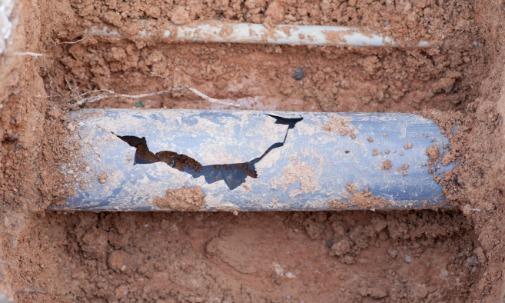
If the inspection reveals cracks, fractures, or sections that have shifted out of alignment, a repair may be recommended. One common method is cured-in-place pipe lining, where a resin-saturated liner gets pulled into the damaged section and inflated against the pipe wall. Once the resin cures, the liner becomes a new pipe surface inside the old one.
This is often preferable to excavation because it doesn't require digging up the yard or breaking through concrete. Not every pipe is a candidate for lining, but when the surrounding pipe is structurally sound enough to support it, lining extends the line's lifespan without the same disruption and cost that a full replacement would involve.
Final Inspection and Documentation
Once the work is complete, the technician does a final review of everything done during the visit. You'll receive a report that covers what the camera found, what cleaning method was used, whether any repairs were performed, and the current condition of the line.
Keep this documentation. It gives you a maintenance record for the property and a reference point if you sell the home or need to revisit the line in the future. If a repair was recommended but not yet completed, the report will include that detail so you know what to follow up on and when.
Setting a Maintenance Schedule
Sewer line maintenance isn't a one-time event. Most professionals recommend cleaning the line every 18 to 24 months for a residential property with no history of major issues. Properties with mature trees nearby, older clay pipes, or a record of repeated blockages may need more frequent service.
A technician can give you a recommendation based on what the camera inspection showed. Staying on a schedule prevents the buildup that leads to backups, which are more disruptive and more expensive to address than routine cleaning.
A Reliable Service You Can Plan Around
Hopefully, this complete guide to sewer line maintenance has given you a better idea of what to expect from this service, so you know what you're signing up for before the crew arrives.
Environmental Works offers professional sewer line services for commercial and residential properties. If your line needs inspection, cleaning, or repair, contact us today and we can walk you through your options.