
Common Problems Found During Sewer Inspections
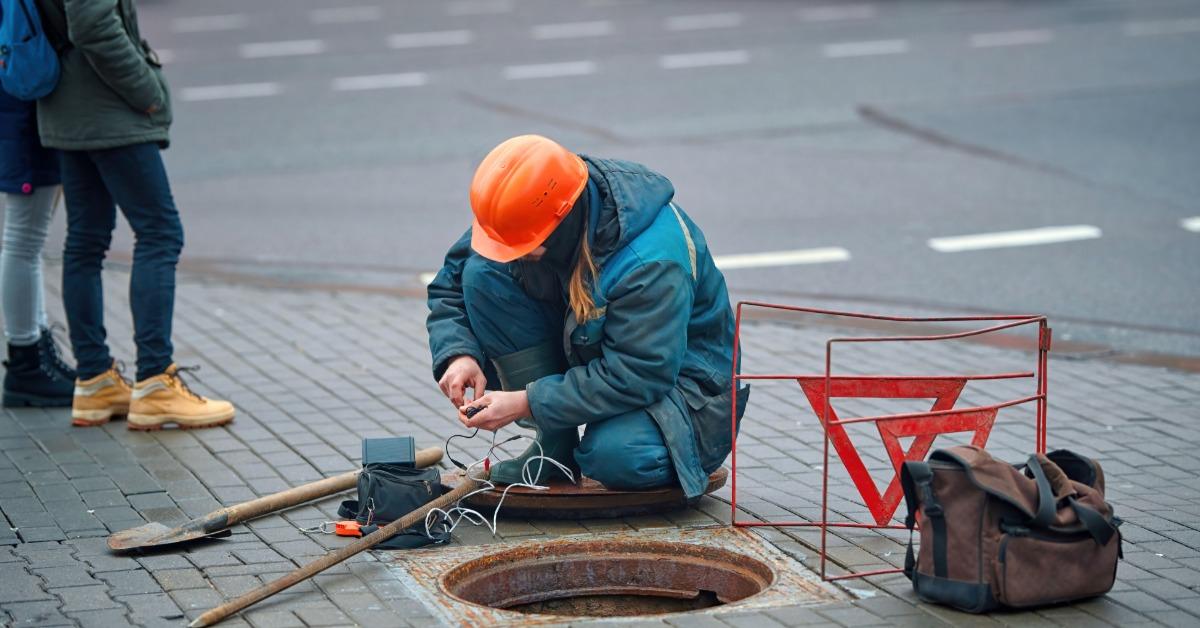
Sewer lines can house all kinds of problems, some minor, some serious. If you're curious what the most common issues are, why they happen, and what professional inspectors can do about them, here's a straightforward look at what turns up most often during a camera inspection.
Root Intrusion
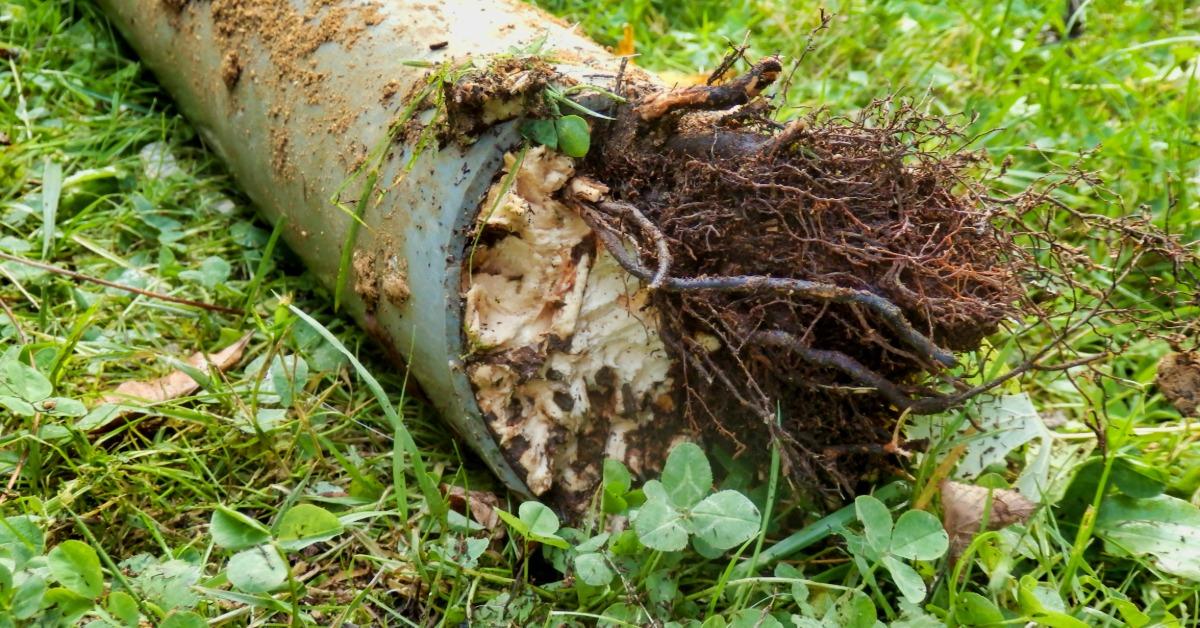
Tree roots are one of the most frequent findings in residential sewer lines, and they don't need a large opening to get in. Roots follow moisture, and even a hairline crack in a pipe joint gives them enough of an entry point to start growing inward.
Once inside, roots spread along the pipe walls and catch debris as it passes through. Over time, that buildup restricts flow and can cause recurring backups. Left alone, roots will eventually crack the pipe further or cause a full blockage. A technician can clear roots with a hydro-jetter or mechanical cutter, though the underlying crack usually needs to be addressed afterward to stop re-growth.
Pipe Corrosion
Older homes often have cast iron or Orangeburg pipe, both of which break down over decades of use. Cast iron corrodes from the inside out as wastewater and hydrogen sulfide gas wear down the metal lining. Orangeburg, a fiber-based material used mid-century, softens and collapses over time as it absorbs moisture.
What you'll see in an inspection is pitting, flaking, or a pipe that's lost its round shape entirely. Corroded pipe moves water less efficiently and breaks down faster the longer it stays in place. Depending on how far the deterioration has gone, a technician may recommend pipe lining or full replacement of the affected section.
Bellied Pipe
A belly forms when a section of pipe sags downward due to shifting soil beneath it. Water still flows through, but it slows at the low point and solid waste starts to settle there instead of moving toward the main line.
Bellied pipe is common in areas with loose or unstable soil, and it often goes unnoticed until backups become frequent. The low point acts like a trap that collects debris over time. A camera inspection shows the sag clearly and helps a technician determine whether the belly is localized or part of a longer stretch of pipe that's shifted.
Offset Joints
Pipe sections connect at joints, and when the ground moves, those joints can shift out of alignment. An offset joint is exactly what it sounds like: two pipe ends that no longer line up correctly, leaving a gap or a ledge inside the line.
That ledge catches toilet paper and waste, which builds up and eventually blocks the pipe. Offset joints also let groundwater and soil work their way into the line, which adds debris and can accelerate wear on surrounding pipe. Inspectors see this regularly in older neighborhoods where soil settlement has had decades to work on underground infrastructure.
Grease Buildup
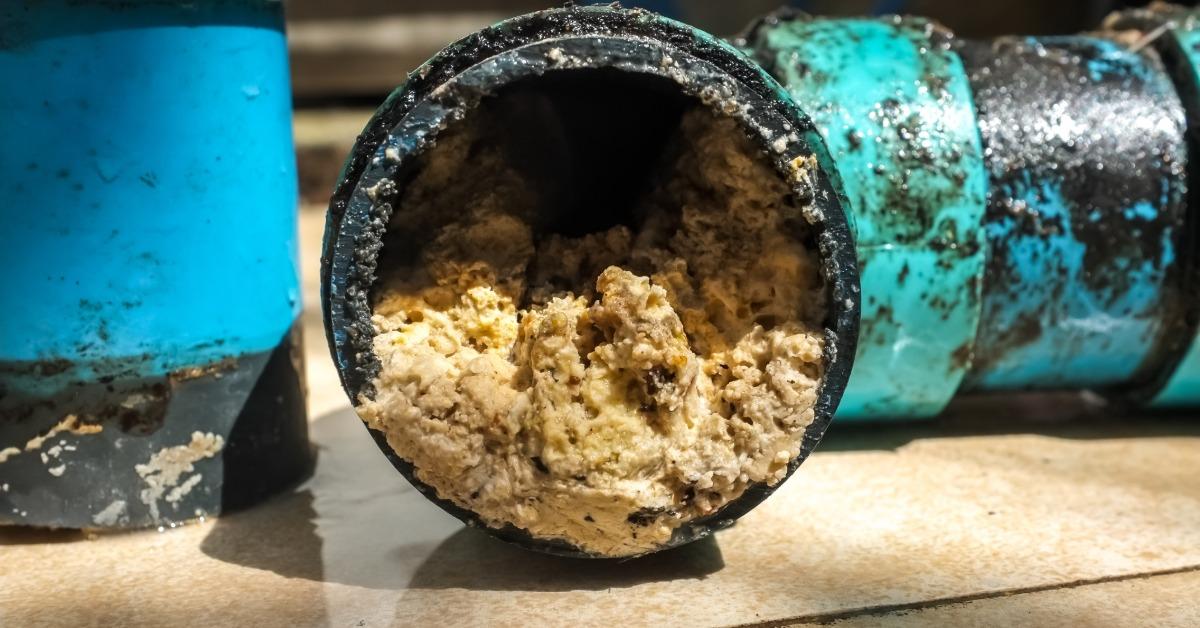
Grease doesn't solidify the moment it hits the drain, which is part of why people underestimate it. It travels through the pipe in liquid form, coats the interior walls as it cools, and hardens into a thick layer that narrows the pipe over time.
Heavy grease deposits are common in kitchen drain lines and in sewer laterals connected to properties where cooking grease goes down the drain regularly. A hydro-jetter breaks up and flushes out grease deposits more thoroughly than a standard drain snake, and it leaves the pipe walls cleaner in the process.
Cracked or Broken Pipe
A pipe doesn't have to be old to crack. Heavy surface loads, frozen ground, nearby excavation, and even seismic activity can fracture a line. Older clay and concrete pipes crack more easily than modern PVC, but no material is completely immune to physical stress.
Cracks let groundwater into the line, which increases the volume of water the sewer system has to process. They also let sewage seep out into the surrounding soil, which creates both a sanitation issue and potential damage to nearby structures. A camera inspection identifies the location and severity of any crack, which determines whether a liner can repair it or whether the section needs to be dug up and replaced.
Blockages
A full blockage stops flow completely and usually shows up fast as a backup at the lowest fixture in the house. What's behind the blockage varies: accumulated debris, a foreign object, a collapsed section of pipe, or a combination of buildup that finally closes off the line.
Blockages that keep coming back after clearing are worth investigating further because they often point to a structural issue in the pipe rather than just a surface-level clog. An inspection gives you a picture of where the blockage formed and what's causing it to recur, so the fix actually addresses the source.
Separated Pipe
Pipe separation happens when two sections pull apart at a joint entirely. This is different from an offset, where the pipes are misaligned but still touching. With separation, there's an actual gap in the line.
Waste falls into that gap and into the surrounding soil instead of continuing toward the main sewer. You end up with sewage contaminating the ground around your foundation, which creates odor problems, attracts pests, and can undermine the soil structure nearby. Separation is one of the more serious findings in an inspection because it typically requires excavation to repair properly.
Channeling
Channeling happens when wastewater wears a groove along the bottom of a pipe over a long period of time. It's most common in older clay or concrete pipe that's been in service for decades.
The grooved section moves liquid through but can't carry solid waste the way a fully intact pipe would. Solids get left behind and build up in the worn channel. An inspector will note how deep the channeling runs and whether it's isolated to one area or spread across a longer section of the line.
Scale Buildup
Hard water leaves mineral deposits on pipe walls the same way it leaves residue on faucets and showerheads. In sewer lines, calcium and magnesium accumulate into a rough, crusty layer called scale that narrows the pipe's interior diameter over time.
Scale buildup doesn't happen quickly, but older pipes in areas with hard water supply can show significant narrowing after years of use. The rough surface also catches debris more easily than smooth pipe walls, which speeds up blockage formation. Hydro-jetting can break up light to moderate scale, though heavy deposits may require more aggressive treatment.
What Happens After the Inspection?
These are some of the most common problems found during sewer inspections. The good news is that they're all addressable in some way. After the inspection, the technician will go over the findings with you and suggest the best options to get your line back in working order.
If you suspect something is off with your sewer line, contact Environmental Works today to ask about our sewer inspection services. Our crew can send a camera through your line, identify exactly what's going on, and walk you through what comes next.