
Common Signs You Need Septic Plumbing Service
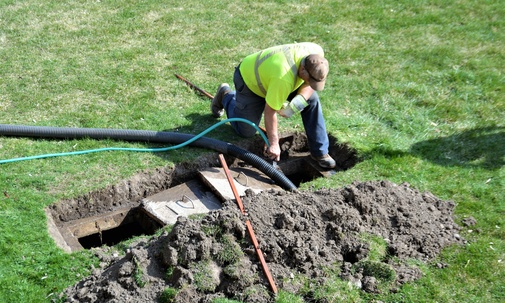
Your septic system handles wastewater every day, but problems don't always announce themselves with an obvious backup. Sometimes, the earliest warnings appear during everyday activities, and knowing what to look for gives you time to address the underlying issue.
Recognizing the signs you need septic plumbing service starts with understanding how your system behaves when everything's working correctly. Changes in drainage, unusual sounds, or unexpected conditions around your property can point to trouble underground. Here are nine warning signs that indicate it's time to have your septic system inspected.
Your Drains Are Moving Slower Than Normal
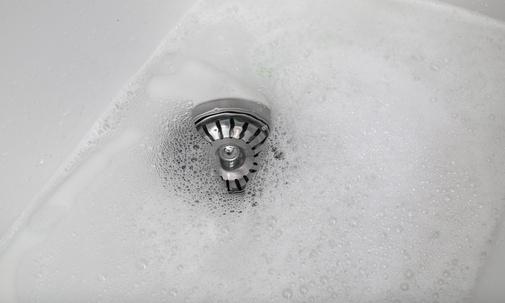
A sink that takes longer to empty might have a localized clog, but slow drainage throughout your property suggests something deeper. When several fixtures begin draining sluggishly, wastewater may be struggling to move through the septic system.
A full tank, obstructed outlet, or restricted drain field can interfere with the normal movement of wastewater. As the system struggles to process incoming water, drainage slows throughout the building.
Pay close attention to whether the problem affects multiple fixtures. A septic plumbing inspection can identify where the restriction occurs and determine what repairs or maintenance will restore proper drainage.
You Hear Gurgling Sounds From Your Plumbing
Your plumbing shouldn't make frequent bubbling or gurgling noises when wastewater moves through the pipes. These sounds develop when air becomes trapped or displaced within the drainage system.
A blockage can interrupt normal wastewater movement, forcing air through nearby plumbing fixtures. You may hear bubbling from a toilet after running the bathroom sink or notice gurgling beneath a shower drain.
Occasional plumbing noises aren't always cause for concern, but repeated gurgling should be investigated. A technician can examine the drainage lines to locate any restrictions and determine whether the septic system contributes to the problem.
Sewage Is Backing Up Into Your Fixtures
Few plumbing problems demand a quicker response than sewage returning through a drain. When wastewater backs up into a bathtub or floor drain, there's a problem preventing it from moving through your drainage system.
An obstruction in the main sewer line may prevent wastewater from reaching the septic tank. Backups can also develop when the tank's outlet becomes blocked or the drain field stops accepting wastewater.
Avoid running additional water when sewage begins entering your property. A septic plumbing technician can locate the blockage and resolve the issue before more wastewater backs up into the building.
Unpleasant Odors Are Coming From Your Drains
Septic systems contain gases produced during the natural decomposition of organic waste. Properly functioning plumbing directs these gases through the building's venting system rather than letting them enter occupied spaces.
When unpleasant sewage odors begin coming from your drains, a damaged pipe or drainage obstruction may be responsible. Problems with plumbing venting can produce similar symptoms.
The location and persistence of the smell provide useful information during an inspection. If the odor continues after normal drain use, have a plumbing technician investigate the drainage and venting systems to identify where gases are escaping.
Water Is Pooling Above Your Drain Field
Your septic drain field distributes treated effluent into the surrounding soil, where further filtration occurs. Under normal operating conditions, wastewater moves beneath the surface without creating visible puddles.
Standing water above the drain field during dry weather suggests that the soil isn't absorbing wastewater properly. Excessive hydraulic loading or clogged drain field components may contribute to the problem.
The pooling may become more noticeable after several people use plumbing fixtures within a short period. Keep vehicles and heavy equipment away from the affected area, and arrange an inspection to investigate the drainage problem.
Your Grass Is Growing Greener Over the Drain Field
An unusually green patch of grass above your septic drain field may indicate that wastewater is accumulating too close to the surface. The extra moisture and nutrients encourage grass to grow more vigorously than the rest of your lawn.
Under normal conditions, the drain field releases wastewater into the soil for further treatment. If the soil becomes saturated, excess moisture may remain within reach of the grass roots.
You may spot this difference during dry weather, when the surrounding lawn begins to brown but the affected area stays green. A septic inspection can determine whether excess wastewater is contributing to the unusual growth.
Your Septic Alarm Keeps Going Off
Some septic systems have alarms that warn property owners when something isn't working correctly. These alarms commonly appear on systems equipped with pumps or other electrical components.
A high-water alarm activates when wastewater rises above the normal operating level inside a designated chamber. A malfunctioning pump, electrical issue, or restricted wastewater discharge may cause the water level to rise.
If your septic alarm activates, schedule an inspection to find out what's causing it. A technician can test the pump and examine the system for problems that prevent wastewater from draining properly.
Wastewater Is Escaping Around Your Septic Tank Lid
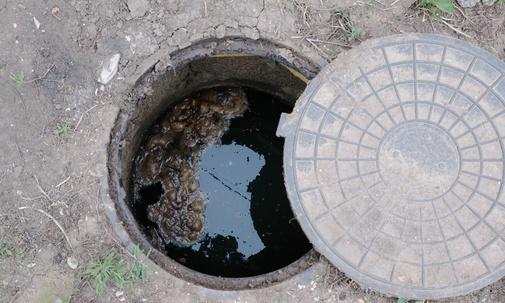
Wastewater leaking around your septic tank lid is a warning that your system needs maintenance. The tank should hold sewage securely underground while allowing liquid waste to move toward the drain field.
When wastewater rises above its normal level, it may escape through gaps around the lid or access riser. This can happen when an obstruction prevents liquid from leaving the tank. Worn seals or damage to the tank itself may also cause leaks.
Sewage collecting around the tank creates a sanitation concern that needs prompt attention. A septic technician can examine the tank's condition, locate the source of the leak, and determine what repairs are necessary.
Your Plumbing Problems Get Worse After Heavy Rain
Heavy rainfall increases moisture levels in the soil surrounding your septic drain field. When the ground becomes saturated, it has less capacity to absorb additional wastewater from your property.
As drainage conditions deteriorate, you may notice that plumbing fixtures empty more slowly than they did before the storm. The symptoms may improve as the soil dries, only to return during the next extended rainy period.
Recurring problems tied to rainfall suggest that your drain field needs evaluation. A technician can assess the site's drainage conditions and determine whether repairs or changes to wastewater management are necessary.
Get Your Septic System Back on Track
Recognizing the common signs you need septic plumbing service gives you an opportunity to address problems before they lead to extensive damage. Even minor changes in system performance call for investigation when they continue or return.
At Environmental Works, we provide septic inspections and maintenance services for properties throughout the Portland area. Our team can investigate your concerns and recommend the work your system needs, including septic system pumping when accumulated waste needs removal.
Contact us today to schedule service and get answers about your property's septic system.