
What Environmental Specialists Do for Property Owners
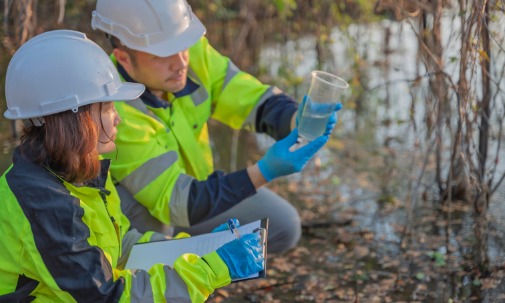
Whether it's for a residential or commercial property, calling an environmental specialist out for an inspection can have numerous benefits. Environmental specialists are professionals who identify environmental hazards and evaluate conditions that affect property safety. Their work covers concerns that property owners don't always recognize without professional testing.
Understanding what environmental specialists do for property owners gives you a better idea of when their expertise is needed. Here are some of the services they provide and how each one contributes to protecting your property.
Conduct Environmental Site Assessments
Before purchasing commercial property, you want to know whether previous activities have left behind environmental contamination. Environmental specialists conduct site assessments to investigate the property's history and identify potential concerns.
During a Phase I Environmental Site Assessment, they review historical property records and examine past land uses. They also inspect the site for evidence of activities that may have introduced hazardous substances.
If the assessment identifies potential contamination, specialists may recommend further investigation. This information allows prospective buyers to understand environmental liabilities before completing a transaction, rather than discovering an expensive problem after taking ownership.
Test Soil for Contamination

Soil contamination isn't always visible from the surface. Chemicals left behind by industrial activities may remain underground long after a property has changed ownership.
Environmental specialists collect soil samples from selected locations and send them to laboratories for analysis. The results reveal whether contaminants are present and how their concentrations compare with applicable environmental standards.
For example, a property previously used for metalworking may contain elevated concentrations of lead in its soil. Testing establishes whether the contamination requires further investigation or corrective action. Property owners can then make decisions based on laboratory findings rather than speculation.
Evaluate Groundwater Quality
Contaminants that enter the soil may eventually reach groundwater beneath a property. Once pollutants enter an underground water source, they can travel beyond their original location.
Environmental specialists investigate groundwater conditions through sampling and laboratory analysis. Depending on the investigation, they may use monitoring wells to collect samples from underground water-bearing formations.
These evaluations establish whether contamination exists and provide information about its distribution. When pollutants are detected, additional monitoring may determine whether concentrations are changing over time. Property owners receive information that supports decisions about further investigation and potential groundwater treatment.
Inspect Buildings for Asbestos
Older buildings may contain asbestos in construction materials installed before its health risks became widely recognized. When certain asbestos-containing materials are disturbed, microscopic fibers may become airborne and create inhalation hazards.
Environmental specialists inspect suspect materials and collect samples for laboratory identification. This process determines whether asbestos is present.
For property owners planning renovations, asbestos inspections identify hazardous materials before demolition begins. Contractors can then arrange proper handling and removal when necessary. Asbestos requirements vary by jurisdiction, so professional evaluation also supports compliance with applicable regulations.
Assess Lead-Based Paint Hazards
Properties constructed before 1978 may contain lead-based paint beneath newer layers of paint. As these surfaces deteriorate, they can release lead-containing dust that poses health risks to occupants.
Environmental specialists use approved testing methods to determine whether lead-based paint is present. They may also collect dust samples to evaluate whether lead contamination has spread beyond the painted surfaces.
Testing becomes necessary before certain renovations in older homes because disturbing painted materials can release hazardous particles. Identifying lead beforehand allows property owners to arrange appropriate safety measures before work begins.
Investigate Mold Problems
Mold develops when moisture accumulates in areas that provide suitable conditions for fungal growth. A visible patch on a wall may indicate a localized problem, but moisture can also affect concealed building materials.
Environmental specialists investigate suspected mold problems by examining affected areas and identifying moisture sources. When testing is appropriate, they collect samples to provide additional information about fungal contamination.
An investigation may reveal that moisture behind a bathroom wall has contributed to mold growth. Identifying the source is necessary because removing surface mold without correcting the moisture problem won't prevent it from returning. Specialists can recommend appropriate remediation measures.
Measure Indoor Radon Levels
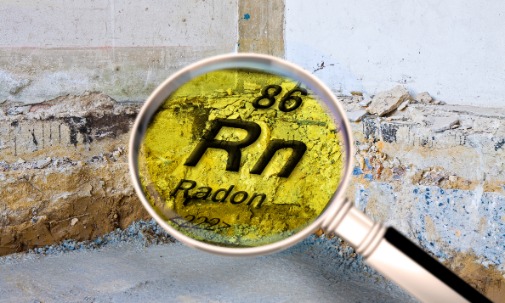
Radon is a naturally occurring radioactive gas that enters buildings through openings in foundations. Because it has no smell or color, property owners can't identify elevated concentrations without testing.
Environmental specialists measure indoor radon concentrations using approved testing equipment. Radon may accumulate in basements as it enters from the surrounding soil, making these areas a common location for testing.
If results exceed recommended action levels, specialists can recommend mitigation systems designed to reduce indoor concentrations. Follow-up testing determines whether the system has successfully lowered radon levels. Both residential and commercial property owners benefit from these evaluations when occupants regularly use below-ground spaces.
Inspect Underground Storage Tanks
Underground storage tanks previously used for petroleum products can create environmental concerns when they deteriorate. Leaks may release fuel into surrounding soil without producing obvious evidence at ground level.
Environmental specialists investigate properties with existing or suspected underground tanks. Their work may involve reviewing historical records to identify former storage locations before recommending additional investigation.
When a leak is suspected, soil sampling can determine whether petroleum contamination has occurred. The findings guide decisions about tank removal and subsequent corrective work. For buyers considering older commercial properties, investigating these tanks can reveal liabilities that aren't apparent during ordinary building inspections.
Develop Contaminated Soil Remediation Plans
When testing confirms soil contamination, property owners may need corrective action before redevelopment can proceed. The appropriate treatment depends on the contaminants involved and the extent of the affected area.
Environmental specialists evaluate investigation results to develop remediation plans suited to site conditions. For example, heavily contaminated soil may require excavation and disposal at an approved facility.
The remediation plan identifies how the affected soil will be addressed and what verification is needed afterward. Specialists may oversee the work and coordinate additional sampling to document results. This process provides property owners with evidence of completed corrective measures.
Support Environmental Regulatory Compliance
Commercial property owners must comply with environmental regulations that apply to their operations. Requirements vary according to the activities conducted on the property and the materials involved.
Environmental specialists evaluate applicable requirements and identify conditions that need corrective action. Their work may include reviewing existing permits and preparing documentation for regulatory agencies.
For example, an industrial facility may need assistance meeting stormwater discharge requirements. A specialist can evaluate its existing controls and recommend modifications that address identified deficiencies. This guidance gives property owners a better understanding of their regulatory obligations and reduces the risk of violations resulting from overlooked requirements.
Get Professional Environmental Support for Your Property
What do environmental specialists do for property owners? More than you'd think. From investigating underground contamination to identifying hazardous building materials, their expertise addresses concerns that ordinary property inspections don't cover.
If you're searching for environmental consulting in Portland, Oregon, contact Environmental Works today. Our team offers full-service environmental consulting for residential and commercial properties. We can investigate environmental concerns and recommend solutions based on your property's conditions.