
Why Environmental Services Protect Property Value
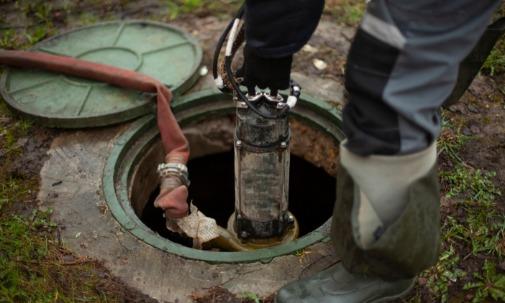
Sewer, septic, plumbing—none of this is glamorous, but these are systems that need to be taken care of if you want to preserve not just the functionality of your property, but its financial value. Broken pipes, failing septic tanks, and drainage problems can all tank a property's worth because they point to expensive repairs and poor upkeep.
Investing in environmental services for your property can keep these systems in working shape. Here are some of the ways regular environmental care protects your property’s value.
Failing Septic Systems Scare Buyers Off Fast
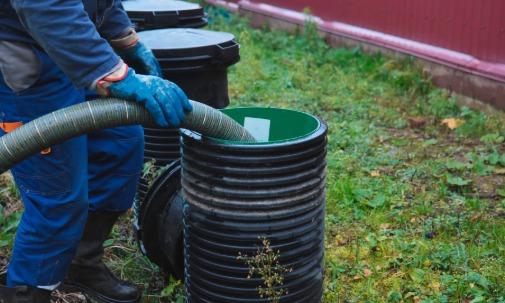
A failed or poorly maintained septic system is one of the fastest ways to lose a sale. When a home inspection turns up septic issues, buyers either walk away or demand a sharp price reduction to cover the repair cost. In some cases, lenders won't approve financing at all until the system is brought up to standard.
The problem compounds when a system has gone without service for years. Sludge builds up in the tank, the drain field absorbs the overflow, and what started as a pumping job turns into a full system replacement. That's a cost that lands entirely on the seller at the worst possible time.
Regular pumping and inspection keeps the system documented and verifiable. When you can show a buyer that the septic has been serviced consistently, you remove one of the biggest unknowns from the transaction.
Sewer Line Problems Don't Show Up Until It's Too Late
You won't usually see a sewer line problem until something backs up inside the house or the yard starts showing wet patches above the line. By then, the damage has already been spreading underground for a while.
Tree root intrusion is one of the more common causes. Roots follow moisture and can work their way into small cracks in older clay or cast iron pipes, eventually breaking the line apart from the inside. Grease buildup and debris accumulation cause their own set of blockages that pressure the pipe over time.
A camera inspection of the sewer line gives you a direct view of what's happening underground without excavation. If there's a problem, you find it before it becomes a sewage backup or a collapsed line, both of which are expensive to fix and damaging to a property's condition record.
Drainage Issues Cause Structural Damage Over Time
Water that pools near the foundation doesn't just sit there. It works into the concrete, freezes and expands in cold weather, and gradually weakens the structural integrity of the building. Basement moisture, foundation cracking, and soil erosion all trace back to drainage that isn't moving water far enough away from the structure.
French drains, grading corrections, and catch basin maintenance are all part of keeping drainage working the way it should. When water moves away from the building consistently, you cut down on the moisture-related problems that show up in inspections and lower appraisal values.
Grease Trap Maintenance Prevents Plumbing Failures
For commercial properties and any home with heavy kitchen use, grease traps collect the fats and oils that would otherwise coat the interior of drain lines. When a grease trap isn't cleaned on schedule, the buildup overflows into the plumbing system and eventually causes a blockage or a backup.
A grease trap failure doesn't just create a plumbing problem. It can trigger a health code violation for a business or produce odors and sanitation issues that affect the property long after the blockage is cleared. Scheduled pumping keeps the system working and keeps the property out of that situation entirely.
Lift Station Failures Affect the Whole Property
Lift stations move wastewater from low-lying areas to higher elevation points in the sewer system. Properties that rely on them are at the mercy of the pump, the float controls, and the electrical components that keep the whole system running. When any one of those fails, sewage can back up across the property.
Routine lift station inspections catch mechanical wear before it becomes a full failure. Pump motors have a service life, and knowing where a system is in that cycle lets you plan a replacement instead of responding to an emergency. A property with a documented, well-maintained lift station is a much easier sell than one with an unknown service history.
Holding Tank Overflows Create Contamination Problems
Properties using holding tanks instead of a septic or sewer connection depend entirely on scheduled pumping to stay functional. When a tank fills past capacity, the overflow goes somewhere it shouldn't—into the soil, toward a water source, or back into the structure.
Contamination from a holding tank overflow is a serious problem for property value. Remediation costs are high, and the documentation of a contamination event follows the property through future sales. Keeping a pumping schedule current is far less expensive than managing the aftermath of an overflow.
Hydro Jetting Restores Pipe Capacity Without Excavation
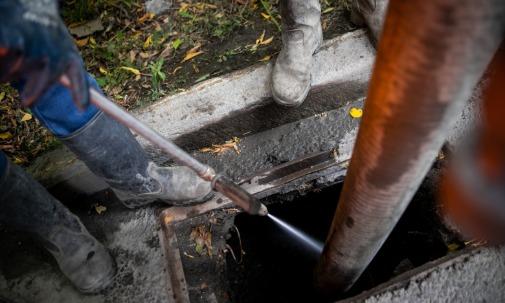
Drain lines accumulate scale, grease, and mineral deposits over years of use. Standard snaking clears a blockage but leaves buildup along the pipe walls, which means the line clogs again sooner. Hydro jetting sends pressurized water through the pipe and strips the interior walls clean.
A pipe that flows at full capacity puts less stress on the rest of the plumbing system and reduces the frequency of service calls. For older properties especially, hydro jetting can extend the usable life of the existing lines without the cost of digging up and replacing them.
Documented Service History Adds Credibility at Appraisal
Appraisers and inspectors work from what they can verify. A property with records showing consistent septic pumping, sewer camera inspections, and routine drain maintenance presents as lower risk than one with no documentation at all.
That credibility has a direct effect on appraisal value. It also shortens the negotiation process during a sale because there's less uncertainty for the buyer to price in. A folder of service records costs nothing extra to maintain and pays for itself the moment someone starts asking questions about the condition of the systems underground.
Preventive Service Costs Less Than Emergency Repair
Emergency plumbing and septic calls cost more by default, and that's before accounting for any property damage the failure caused. A burst pipe, a sewage backup, or a collapsed drain field each brings its own set of secondary costs that a scheduled service appointment would have avoided.
Preventive maintenance creates a predictable cost instead of a surprise one. You can budget for a septic pump-out or a sewer inspection. You can't budget for a system that fails without warning and takes part of the property with it.
Your Property Reflects the Systems Behind It
Environmental services protect property value by keeping the systems that buyers, lenders, and inspectors scrutinize in documented, working order. When the sewer line is clean, the septic system is current, and drainage is moving water away from the structure, the property holds its value because there's nothing underground waiting to become a problem.
If you have a septic, sewer, or drainage system that could use a professional eye, don't hesitate to reach out to the team of environmental specialists at Environmental Works. We can inspect, service, and document your systems so your property stays protected from the ground up.