
How Household Size Affects Septic Pumping Frequency
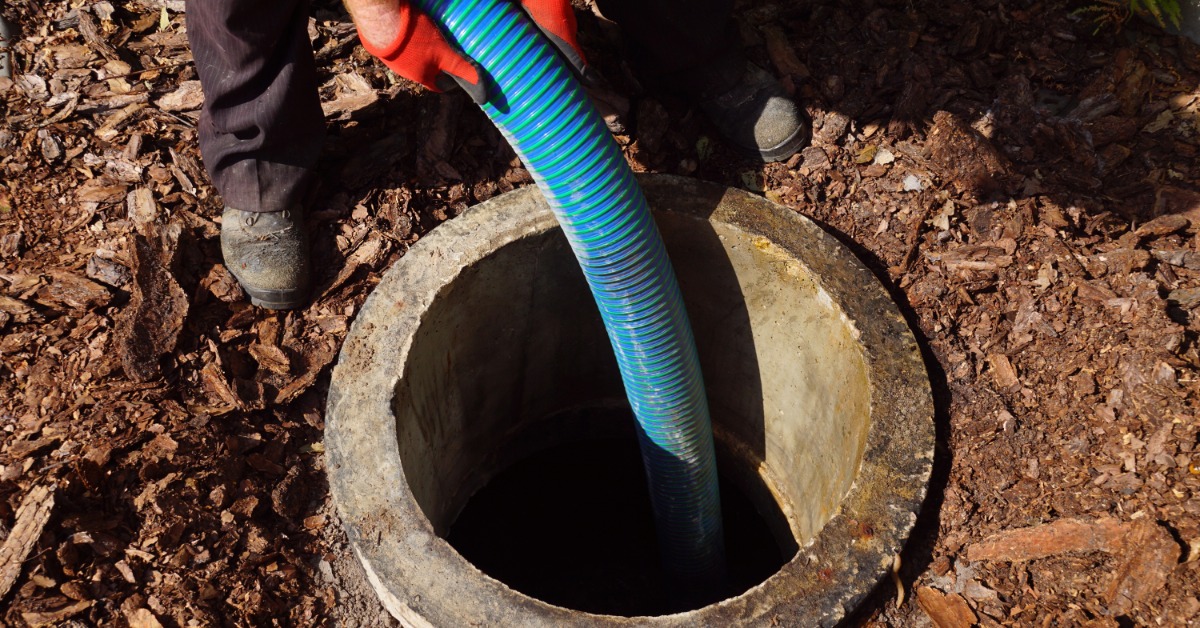
How often should you have your septic tank pumped? On average, every three to five years is recommended. But depending on how many people live in your home, your schedule may be shorter or longer. Here are the ways household size affects septic plumbing frequency so you can plan your next service more accurately.
More People Send More Wastewater Into the Tank
Every person in your home adds wastewater to the septic system throughout the day. A household of five sends more water through the plumbing than a household of two when their habits are similar.
Your septic tank needs enough room for incoming wastewater while solids settle inside. Higher daily water use puts more demand on that available capacity between pump-outs. If your household grows, the service interval you followed with fewer residents may no longer match how heavily you use the system.
More Residents Add Solids at a Higher Rate
Your septic tank separates wastewater while heavier solids settle at the bottom as sludge. Those solids remain in the tank until a septic professional pumps them out.
More residents produce more waste, so the sludge layer builds sooner. A one-person household adds far less solid material over a year than a home with six full-time residents. As the sludge layer grows, the tank has less room available for incoming wastewater.
More Toilet Use Adds More Paper
More people in the house also means more toilet paper entering the septic tank each day. Toilet paper breaks down in the system, but it still contributes to the material collecting inside the tank.
The effect builds gradually. A few extra flushes don’t change your pumping schedule overnight, but years of additional bathroom use add to the amount of material your tank has to hold. A household that grows shouldn’t automatically keep following the same service interval it used before.
More Laundry Raises Daily Water Use
Larger households tend to produce more laundry, so the washing machine sends more wastewater into the septic system throughout the week. The main concern here is the added water volume.
Several additional loads every week add up over time. Your septic tank has to accept that water along with wastewater from the rest of the home.
More Showers Increase Wastewater Volume
Another person in the household adds another regular shower user. In a larger home, those showers account for a much higher volume of wastewater over the course of a week.
The change is gradual rather than immediate. One extra shower doesn’t send you straight toward a pump-out, but daily use from several residents adds substantially more water between service visits. The more people relying on the same tank, the harder that tank works over the same period.
More Meals Increase Kitchen Water Use
Larger households also tend to run the kitchen sink and dishwasher more frequently. Each use sends another round of wastewater into the septic tank.
If your home uses a garbage disposal, kitchen activity can add extra solid material too. Food particles that enter through the disposal settle inside the tank along with other solids. More people preparing meals at home can increase both the water volume and the amount of material collecting between pump-outs.
The Same Tank Serves More People
Your septic tank doesn’t grow when another person moves into the house. If the number of residents increases while the tank size stays the same, the system has to serve more people with the same capacity.
A 1,000-gallon tank serving two residents handles a very different workload from one serving five. More occupants send additional wastewater into the same amount of tank space. Household size therefore needs to be considered alongside tank size when you set a pumping interval.
A Growing Family Can Shorten an Old Schedule
A pumping schedule that worked several years ago may no longer match your current household. If more people live in the home now, the septic tank receives more wastewater and waste than it did when you first set that schedule.
Your service history still gives you useful information, but current occupancy changes how quickly material collects. If your family has grown since your last pump-out, the old three-year or four-year routine may need an adjustment.
Fewer Residents Can Slow Tank Accumulation
Household size also works in the opposite direction. When someone moves out permanently, less wastewater enters the system each day. The tank also receives less solid waste over time.
A smaller household may take longer to reach the same sludge level than a larger household using an identical tank. You still shouldn’t stretch the schedule without checking the tank itself, since pumping frequency also depends on capacity and actual use.
Long-Term Guests Add to Daily Use

Household size isn’t limited to permanent residents. Someone who lives with you for several months still adds regular bathroom use and wastewater throughout that period.
A weekend guest won’t change much. A relative staying for half a year is another story because the extra daily use continues long enough to affect how much material enters the tank. If your household has had another full-time occupant for an extended period, account for that change when planning service.
Part-Time Occupancy Can Extend the Interval
Two homes with the same number of residents don’t always use their septic systems at the same rate. A full-time household sends wastewater into the tank every day, while a seasonal home may sit empty for months.
Less occupancy means less material entering the tank over the course of the year. A part-time residence may therefore take longer to reach the same sludge level as a full-time home with the same tank size. Actual time spent in the home should factor into your service schedule.
Plan Your Next Septic Pumping
How frequently you should have your septic tank pumped depends on several factors, including how large your household is. A larger household fills the tank sooner, while a smaller household may go longer between service appointments.
Whatever your pumping timeline looks like, Environmental Works offers septic tank pumping in Portland. Contact our team when your tank needs a pump-out, and we’ll come out to service your system.