
Warning Signs of Hidden Plumbing Problems
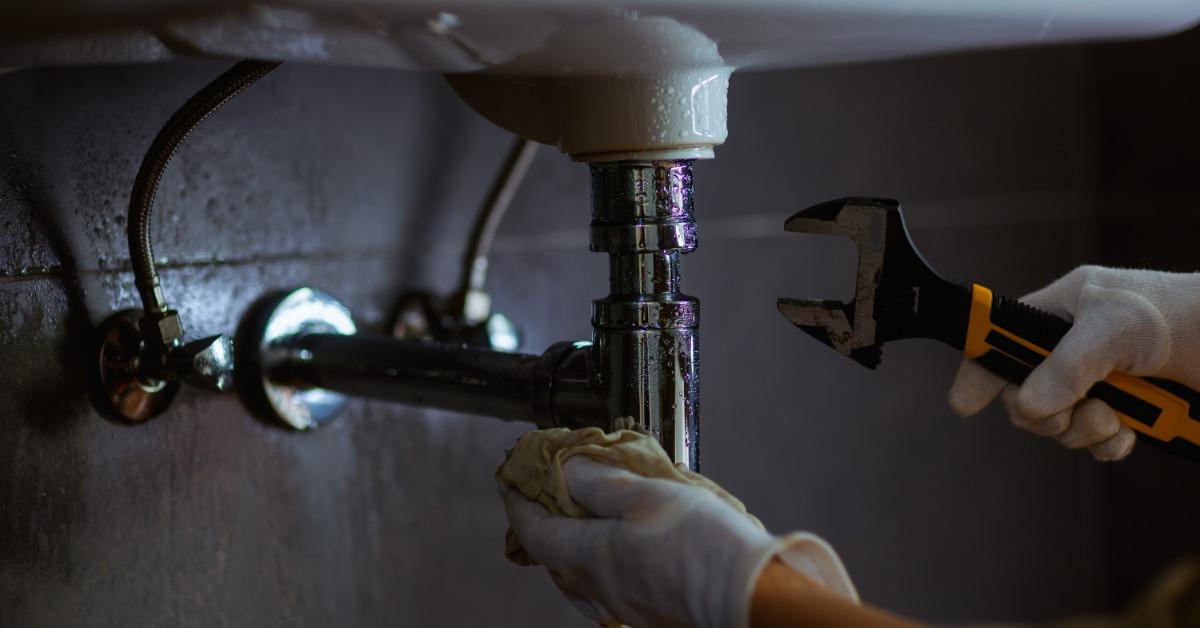
Plumbing problems don't always announce themselves with a burst pipe or water across the floor. Sometimes, they lurk silently behind walls or beneath floors until they damage the materials around them. To help you catch hidden plumbing problems before they cause extensive property damage, here are several signs that may point to trouble you can't see.
Your Water Bill Suddenly Increases
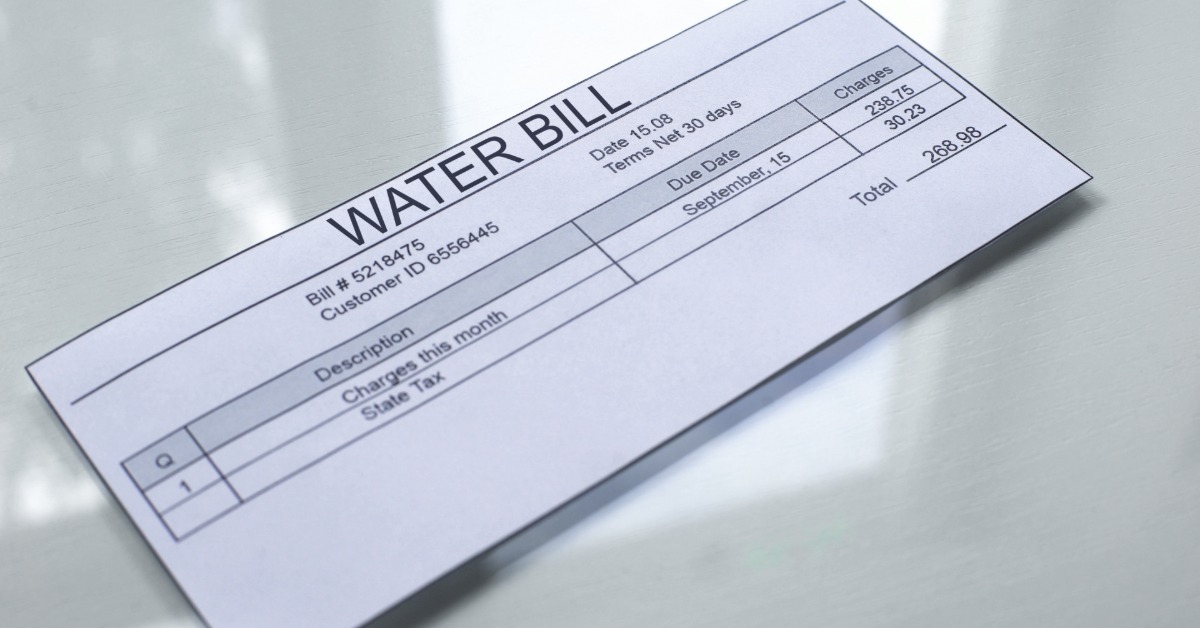
A higher water bill makes sense when water use has gone up. If your habits haven't changed, though, an unexplained increase may come from a leak somewhere you can't readily see.
Even a small leak can waste water throughout the day without leaving an obvious puddle. Compare recent bills with the same period from prior years. A sudden jump with no explanation is a good reason to have the plumbing checked.
Water Pressure Drops Throughout the Property
A weak shower or slow faucet doesn't always come from the fixture itself. If water pressure has dropped throughout the property, the problem may sit somewhere deeper in the plumbing system.
A leak in a supply line can reduce the amount of water that reaches faucets and other fixtures. Older pipes may also develop mineral deposits that narrow the space available for water to pass through. A sudden pressure loss may suggest a leak, while a gradual decline may point toward buildup inside aging pipes.
Your Water Meter Keeps Moving
Your water meter records the water that enters the property, so it can reveal use that isn't obvious indoors. When faucets and water-using appliances are off, the meter shouldn't continue to register normal water consumption.
If it does, water is still moving somewhere in the plumbing system. A toilet valve may explain some extra use, but a leak in an underground supply line can produce the same result. If every fixture is off and the meter keeps moving, the property may have a leak that needs to be located.
A Musty Odor Develops Indoors
A musty smell may come from moisture trapped where air can't dry it. Hidden leaks create those damp conditions when water reaches drywall or settles beneath flooring.
Mold can develop when building materials remain damp for an extended period, and odor may appear before discoloration becomes visible. Routine cleaning may temporarily mask the smell without addressing the source. If the odor keeps returning in the same room, moisture inside the wall or floor may be responsible. Plumbing near that area should be checked before the damp material deteriorates further.
Paint Starts to Bubble on a Wall
Moisture behind a wall can cause paint to bubble even when you don't see any water on the surface. A leaking pipe may soak the drywall from behind, which weakens the bond between the paint and the wall.
Small bubbles may appear first, followed by larger raised areas as moisture continues to spread. The wall may also become softer near the affected section. Paint problems alone don't prove that plumbing caused the damage, but a growing patch near pipes calls for closer inspection. Cosmetic repairs won't solve the problem if water continues to enter the wall.
Flooring Starts to Warp
Moisture beneath flooring can change the shape of the material above it. Wood may develop raised edges, while laminate may separate after it absorbs water from below.
A plumbing leak doesn't need to flood the room to cause those changes. Repeated exposure from a small pipe leak can slowly saturate the subfloor and the flooring above it. Damage may start in one concentrated area while nearby sections remain normal. If the property hasn't had a spill or another known source of moisture, plumbing beneath that part of the floor may need an inspection.
A Warm Spot Appears on the Floor
One warm section of flooring may point to a hot-water line leak beneath the surface. This is more common in properties with water lines that run below a concrete slab.
Hot water that escapes from a damaged pipe transfers heat into the surrounding concrete and the flooring above it. You may notice one section that remains warmer than nearby areas even when the room temperature hasn't changed. If the warmth keeps returning in the same spot, a hot-water line below the floor may be leaking.
Stains Appear on the Ceiling
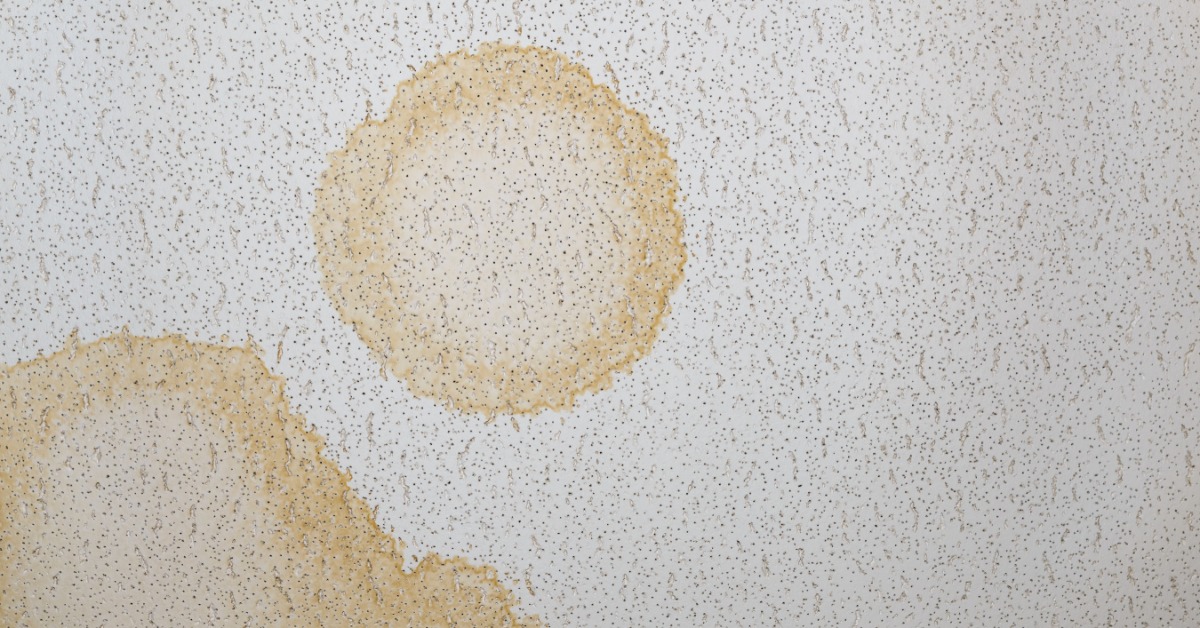
A stain on the ceiling may come from plumbing on the floor above. Water can travel along framing before it reaches the ceiling material, so the visible stain doesn't always sit directly beneath the source.
The discoloration may start small and darken as more moisture reaches the same area. If the stain becomes more pronounced after someone uses an upstairs bathroom, water may be leaking from a pipe or fixture above the ceiling.
You Hear Water With Every Fixture Off
You expect to hear water when someone turns on a faucet or flushes a toilet. If you still hear it after every fixture is off, there may be water moving where it shouldn't.
A small opening in a pressurized pipe may create a faint hiss inside a wall. A leak beneath the floor may produce a low rushing sound that stands out more when the property is quiet. If the sound continues with no active water use, a plumber can test the system and locate the source.
A Wet Area Persists Outside
Damp soil after rain isn't unusual. One wet section that remains saturated during dry weather may have a different source below ground.
A damaged underground water line can release moisture into the surrounding soil for an extended period before the leak reaches the surface. The affected patch may dry slowly or become wet again without rain. Irrigation issues can create similar symptoms, so those systems should be ruled out first. If irrigation isn't responsible, the water service line or another buried pipe may need professional inspection.
Catch Problems Before They Cause More Damage
Knowing the hidden signs of plumbing problems can help you catch less pronounced issues before they grow into larger repairs.
If you notice one of these changes and want a professional to inspect the system, Environmental Works provides plumbing services in Portland. Our team can diagnose the source of the problem and recommend the repair needed to get your plumbing back in proper working order.