
How Hydro Jetting Sewer Lines Really Works
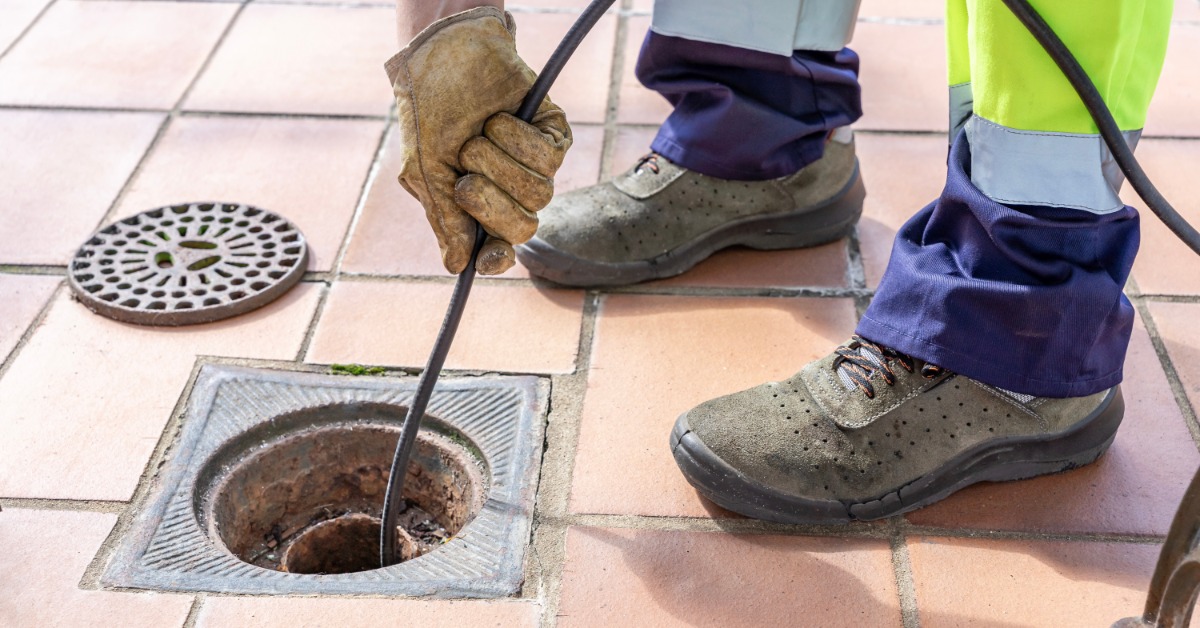
Hydro jetting is a common technique used to remove buildup from sewer lines with high-pressure water. Rather than relying on a cable to punch through one blocked spot, the process sends water through the pipe to wash material from the interior walls.
If you’re curious about how hydro jetting sewer lines works, here’s a look at what happens from the first inspection through the final check.
The Sewer Line Is Inspected
A plumber needs to know what’s inside the sewer line before hydro jetting begins. A sewer camera provides a view of the pipe interior and shows where the trouble starts.
The inspection also reveals the condition of the pipe itself. Hydro jetting uses substantial water pressure, so a badly damaged line needs to be identified before the equipment goes to work. This first look gives the plumber the information needed to decide whether hydro jetting belongs in the repair plan.
The Access Point Is Located
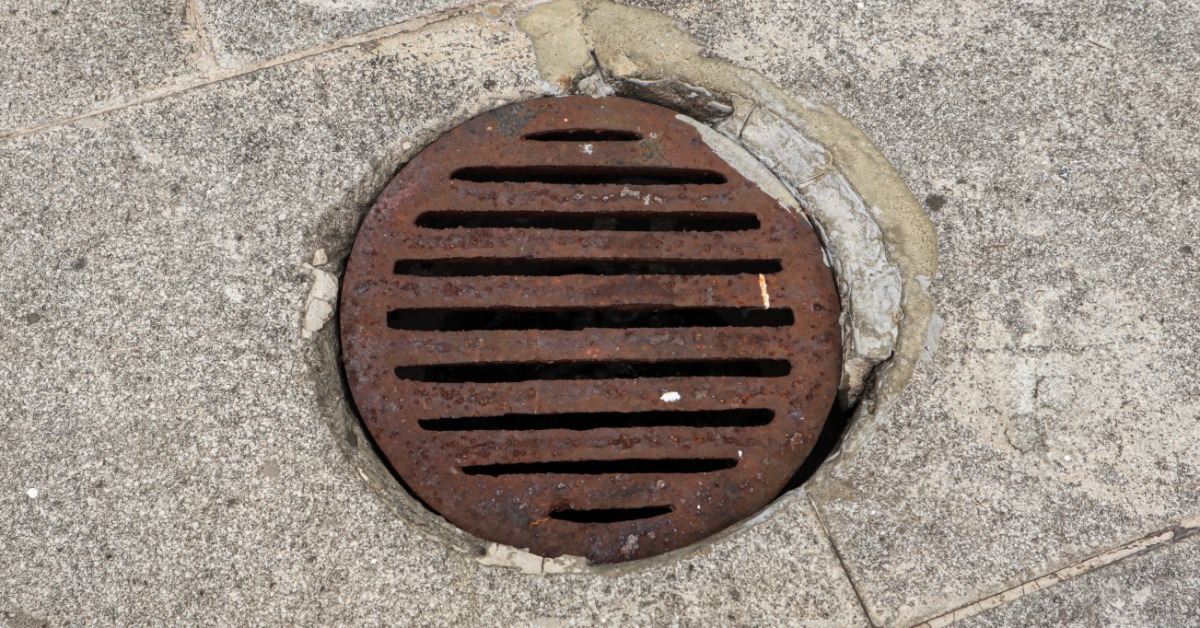
Once the sewer line has been inspected, the plumber needs an opening that provides access to the affected section. In many properties, that opening is a sewer cleanout.
The location of the access point affects where the hose enters the system and how it travels through the pipe. A properly placed entry point lets the technician work toward the obstruction without opening the sewer line itself. From here, the equipment remains outside while the hose does the work inside the plumbing.
The Equipment Is Set Up
Hydro jetting equipment uses a specialized hose connected to a machine that pressurizes water. The hose carries that water into the sewer line through a nozzle built for pipe cleaning.
Different jobs require different operating settings. The plumber uses what was found during the inspection to select an appropriate pressure for the line. The purpose isn’t to blast the pipe as hard as possible. The pressure needs to remove the obstruction while remaining appropriate for the pipe material and its condition.
The Nozzle Enters the Sewer Line
After setup, the hydro jetting hose is fed through the access point and into the sewer line. The nozzle sits at the leading end of the hose.
Its openings control where the pressurized water travels once the machine starts. Water directed backward also creates force that moves the nozzle farther through the pipe. Because of this design, the hose doesn’t rely entirely on someone physically pushing it through the sewer line. Water pressure contributes to its movement as cleaning begins.
Pressurized Water Breaks Into the Blockage
When the nozzle reaches the problem area, high-pressure water begins cutting into the material blocking the pipe. Grease buildup is one common target because it can coat the pipe wall and collect additional debris over time.
The water breaks that material apart instead of creating a small passage through the middle of it. This is one reason hydro jetting differs from basic snaking. A snake primarily opens a route through an obstruction, while hydro jetting works on material attached to the pipe interior.
The Nozzle Washes the Pipe Walls
Removing the central obstruction is only part of the process. The water jets also spray against the inner surface of the sewer line as the nozzle travels through it.
This action removes buildup that has collected along the walls. Material stuck there narrows the usable diameter of the pipe even when wastewater still passes through. Washing the walls gives that accumulated residue somewhere to go instead of leaving it behind to collect more debris after the main blockage has been opened.
Debris Moves Through the Sewer Line
As pressurized water loosens material, the flow carries it through the sewer system. The plumber doesn’t need to pull every piece back through the access point.
Gravity and the water introduced during jetting move loosened debris farther along the line toward the downstream connection. The technician controls the hose movement so the cleaning progresses through the affected area instead of concentrating on one small section for the entire job. This keeps the process focused on the portion of pipe that needs treatment.
The Hose Moves Back Through the Pipe
Hydro jetting doesn’t end as soon as the nozzle passes the obstruction. The plumber also works the hose back through the treated section.
This return movement lets the water hit areas from another position. Any remaining buildup along the pipe wall gets another pass, and loosened material continues moving out of the cleaned section. The technician controls how quickly the nozzle travels based on what was found inside the line. Areas with heavier residue require more work than sections that are already open.
Water Flow Is Checked
After the cleaning pass, the sewer line needs to move water properly. The plumber checks the flow to see whether wastewater can travel through the treated section without backing up.
A successful result indicates that the obstruction has been removed enough for normal drainage to resume. Flow testing also gives the technician another way to catch a remaining restriction. If water still moves poorly, the line needs another look instead of calling the job finished simply because the hydro jetting hose made it through.
The Line Gets a Final Inspection
A final sewer camera inspection gives the plumber a view of the pipe after jetting. Instead of relying only on improved drainage, the technician can see what remains on the walls and whether the original obstruction is gone.
This check also provides useful information about the pipe after the buildup has been removed. Heavy residue can hide damage during the first inspection. Once the line is washed, cracks or other defects become easier to see. The property owner then has more information about whether any additional sewer work is needed.
A Thorough Way To Clear a Sewer Line
Hydro jetting sewer lines is a rather straightforward process that can help remove stubborn buildup from the inside of a sewer pipe. High-pressure water breaks material loose, washes the pipe walls, and carries the loosened debris farther through the system.
If you suspect buildup is restricting your sewer line and you could benefit from professional cleaning, contact Environmental Works today. We offer hydro jetting services in the Portland area. Our team can inspect the line, determine whether jetting is appropriate, and clean the affected section when the pipe is suitable for the process.