
The Impact of Seasonal Weather on Home Septic Systems
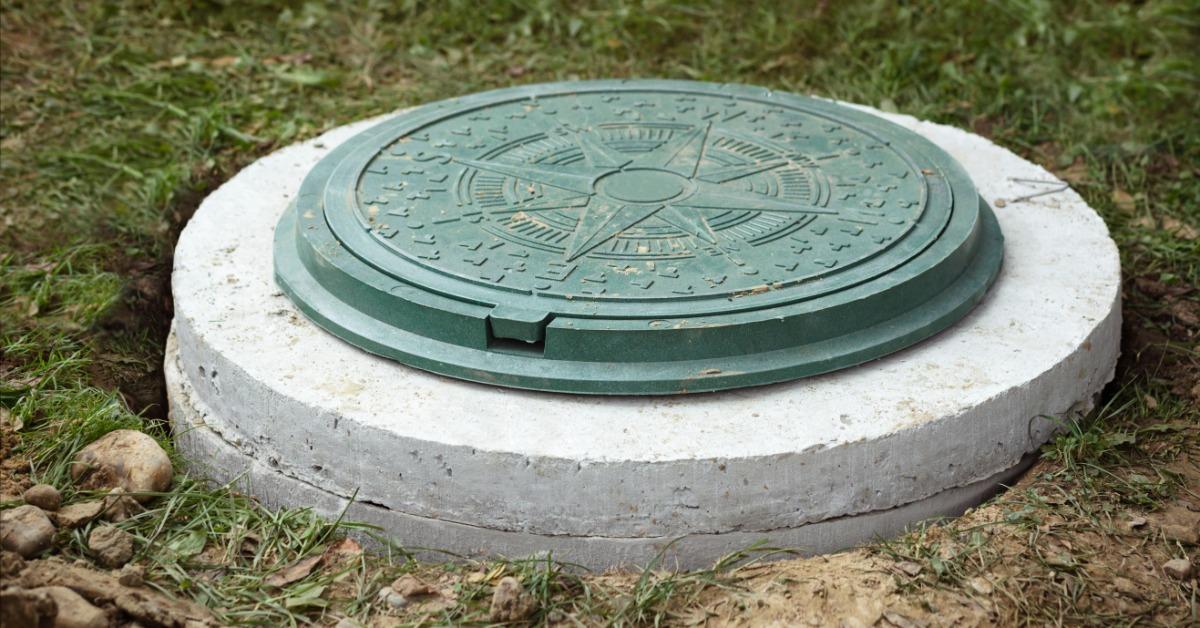
Weather can have a major impact on home septic systems. From rain saturating the drainfield to freezing temperatures slowing wastewater movement, seasonal conditions can wear down parts of the system through repeated exposure.
Below, we cover the main ways weather affects septic performance and what you can do to keep seasonal problems to a minimum.
Heavy Rain Can Saturate the Drainfield
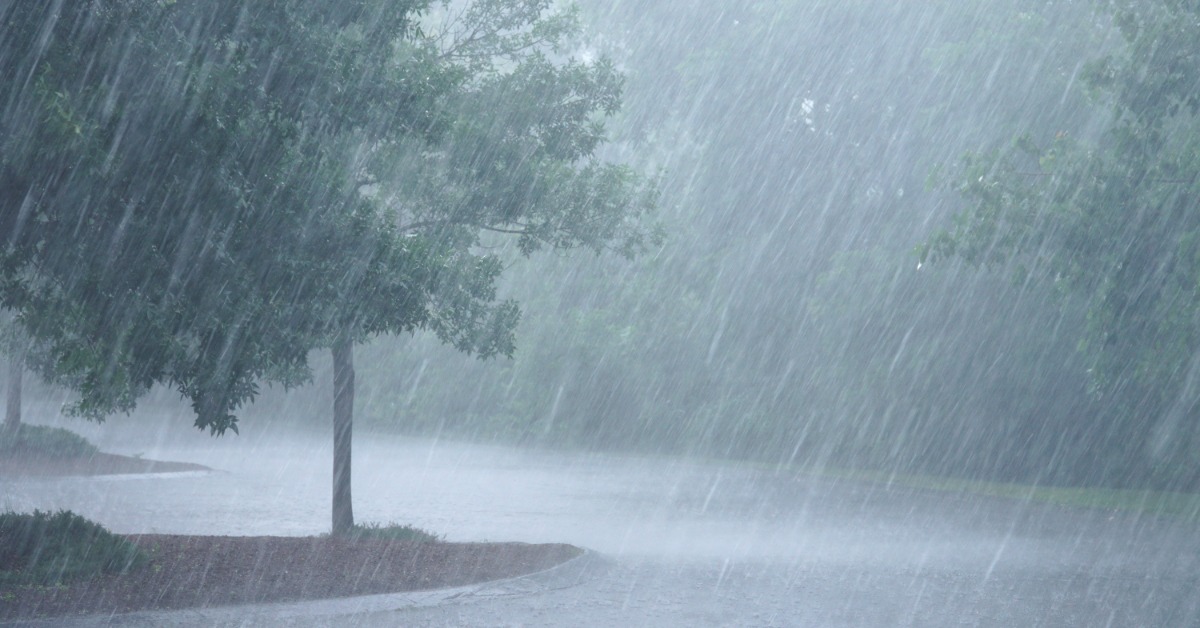
A drainfield needs unsaturated soil so wastewater can filter through it after leaving the tank. During a long stretch of heavy rain, that soil may already be holding as much water as it can absorb. Septic effluent then has less room to move through the ground.
You may notice slower drains or standing water near the drainfield when saturation becomes severe. Reducing indoor water use during very wet periods gives the soil more time to recover before additional wastewater reaches the field.
High Groundwater Can Limit Wastewater Treatment
Seasonal groundwater can rise after prolonged rain, especially where the water table already sits close to the surface. When groundwater reaches the soil beneath a drainfield, the system loses part of the unsaturated soil layer that treats wastewater before it moves deeper underground.
Septic treatment relies on contact with soil that still contains air. A high water table reduces that treatment area and may push wastewater toward the surface. Repeated wet-season problems deserve an inspection rather than another wait for drier weather.
Floodwater Can Carry Silt Into the System
Flooding creates a different problem than ordinary rain because moving water carries fine soil and debris across the property. If floodwater reaches a septic tank opening or pump chamber, silt may enter parts of the system that weren’t designed to handle it.
That material can settle inside the chamber or move toward the drainfield. After floodwater recedes, don’t expect everything underground to return to normal automatically. A professional inspection can check for sediment and damage before regular water use resumes.
Snowmelt Can Overload the Drainfield
A snowy winter doesn’t end its septic impact when temperatures rise. Rapid snowmelt can release a large volume of water into the soil over a short period, leaving the drainfield surrounded by saturated ground even without heavy spring rain.
The problem resembles rain saturation because wastewater has fewer dry soil pores available for dispersal. If drains start slowing during a thaw, extra household water use adds more pressure. Spacing out laundry and other high-water activities gives the drainfield less wastewater to process while the ground dries.
Freezing Temperatures Can Block Wastewater Flow
Cold weather becomes a septic problem when wastewater freezes inside shallow pipes or near components with limited soil cover. A frozen section blocks normal flow, which may lead to slow plumbing or a backup inside the home.
Long periods below freezing give exposed or poorly insulated components more time to lose heat. Snow cover can provide some insulation, so removing it from the septic area isn’t always beneficial. If you suspect a frozen line, leave thawing and repair work to a septic professional.
Frozen Vents Can Cause Septic Odors
A septic odor during cold weather doesn’t always point to a full tank or failed drainfield. Plumbing vent pipes can freeze when moisture condenses near the opening during extended cold periods. An obstructed vent interferes with the way sewer gases leave the plumbing system.
That can send unpleasant odors toward the home. If the smell appears during a cold spell and the drains still move normally, a blocked vent is one possible cause. A professional can check the vent and rule out deeper septic problems.
Dry Weather Can Increase Root Pressure Near Septic Lines
Long dry periods change what nearby trees and shrubs are doing underground. Roots searching for moisture may grow toward septic lines or the drainfield, where wastewater creates a wetter zone than the surrounding soil.
The concern grows when woody plants already sit too close to septic components. Roots can enter small openings around joints and interfere with wastewater movement as they expand. Keeping larger plants at an appropriate distance reduces root growth around buried pipes.
Storm Runoff Can Erode Soil Above Septic Components
Heavy runoff can remove soil from sloped parts of a property and expose areas that should remain covered. Over a septic tank or drainfield, erosion may reduce the protective soil layer above buried components and change how surface water moves across the site.
You may first see shallow channels or bare soil after a storm. Those marks deserve a closer look near the septic area. Redirecting roof drainage away from the drainfield and repairing erosion protects the ground above the system from repeated washout.
Wet Soil Can Compact More Easily Around the Drainfield
Saturated soil is easier to compress under vehicles and heavy equipment. That creates an added seasonal concern when contractors or maintenance crews drive across the yard during wet weather.
Compacted soil has less open space for wastewater to move through, and vehicle weight may also damage buried pipes. Homeowners should know where the drainfield sits before scheduling exterior work. Keeping traffic away from that area protects the soil structure used for treatment.
Vacant Homes Face Greater Winter Freeze Risk
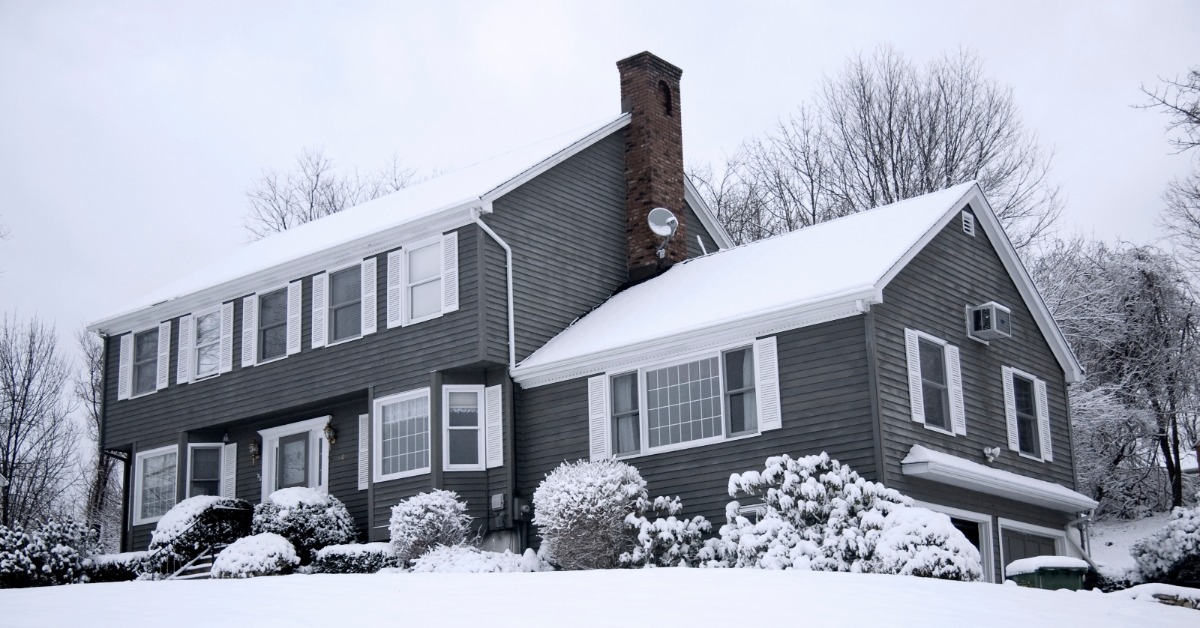
Homes that sit unused during cold weather don’t send the same amount of warm wastewater through the septic system. Reduced flow removes one source of heat from the pipes and tank, leaving some components more exposed to freezing.
This deserves extra thought for seasonal homes or properties left vacant for extended periods. Everything inside the home may look normal even when the septic system has seen very little recent use. Before a long vacancy, a septic professional can review insulation and maintenance needs based on the system design and local conditions.
Seasonal Changes Can Reveal Existing Septic Weaknesses
Weather doesn’t create every septic problem from scratch. A drainfield that already struggles with poor drainage may become more obvious during the rainy season, while a damaged pipe may show trouble after freezing conditions add stress.
That timing can confuse homeowners because the system appears normal during milder weather. The season when a problem appears can narrow down what needs inspection, since wet-weather failures point toward drainage issues while winter failures put frozen or damaged lines higher on the list.
Keep Seasonal Septic Problems From Getting Worse
Seasonal weather can impact home septic systems in a variety of ways, from saturated drainfields to frozen lines. The good news is that you can reduce seasonal strain by watching for changes and scheduling service before a small issue develops further.
At Environmental Works, we offer a septic tank service to keep your system in good condition year-round. If you notice slow drains or unusual odors, contact us right away and our team can inspect the system and identify the cause before the weather makes it worse.