October 8, 2026

Providing Services to
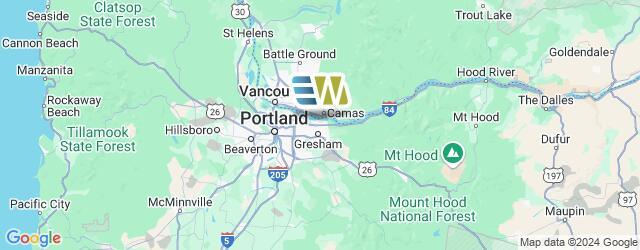
Portland & Beyond
We commonly service some of the following areas:
- Beaverton
- Clark County
- Hillsboro
- Multnomah County
- Tigard
- Washington County
- Clackamas County
- Gresham
- Lake Oswego
- Portland
- Vancouver
- Yamhill County
Environmental and Local Considerations
Underground water line work often intersects with environmental conditions unique to each property. As an environmental services provider, we pay close attention to how leaks interact with soil composition, groundwater levels, and site history.
In the Portland Metro Area, clay-rich soils, sloped lots, and mature trees can all influence how water lines age and fail. Saturated soils may shift, while root systems can place added stress on older pipes. Our team accounts for these factors when determining repair methods, depth, and access planning.
Because we also handle environmental inspections and remediation, we can recognize when a water line repair may reveal a broader concern. If that occurs, we explain the situation clearly and outline practical next steps so you can make informed decisions without scrambling to find another provider.
Our familiarity with local expectations for underground work and utility coordination also helps reduce delays. For property owners, that experience translates into a smoother process and fewer surprises along the way.
Need water line repair in Portland? Call us at (503) 719-6715 or send us a message online today!
FAQS About Water Line Repair in Portland, OR
How can I tell if the problem is my main water line or interior plumbing?
Issues that affect the entire building, such as low pressure everywhere or discolored water from multiple fixtures, often point to the main water line. Interior plumbing problems usually stay limited to one area or fixture.
What causes main water lines to fail in this area?
Common factors include aging materials, soil movement, tree root intrusion, and long-term corrosion. Local soil conditions and groundwater levels can also play a role.
Do I need to shut off my water before you arrive?
If you notice active leaking or rapidly worsening conditions, shutting off the main valve can help limit damage. If the situation feels stable, we can guide you during the initial call.
How much disruption should I expect during repairs?
The level of disruption depends on line location, depth, and access. We explain planned excavation areas in advance and take steps to protect surrounding surfaces.
Is replacement always necessary, or can lines be repaired?
Some issues can be resolved with targeted repairs, while others require replacement for long-term reliability. We explain the pros and cons of each option after assessment.
Can you work with property managers or commercial owners?
Yes. We regularly work with property managers, developers, and commercial property owners and coordinate schedules and access needs accordingly.
What happens if environmental concerns appear during the project?
Our team can evaluate those conditions and discuss inspection or remediation options without bringing in an outside firm.
How soon can work usually begin after assessment?
Timing depends on scope, access, and permitting needs. We review realistic scheduling expectations once we understand the project details.
Will my landscaping be restored after the work?
Site restoration follows the agreed scope of work. We discuss expectations before starting so you know what to expect when the project wraps up.
Who do I contact if I have questions during the repair?
You have a single point of contact throughout the project, which helps keep communication clear and consistent.