September 25, 2026
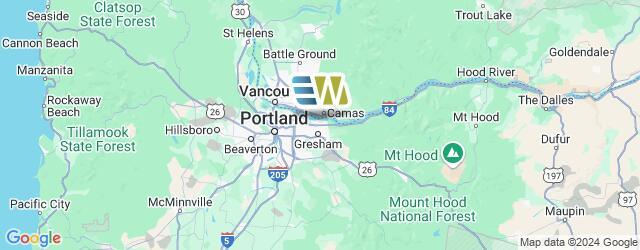

Providing Services to
Portland & Beyond
We commonly service some of the following areas:
- Beaverton
- Clark County
- Hillsboro
- Multnomah County
- Tigard
- Washington County
- Clackamas County
- Gresham
- Lake Oswego
- Portland
- Vancouver
- Yamhill County
Sure Signs of a Kitchen Sink Clogged Drain:
- Pooling or slowly draining water in your kitchen sink are signs of a clog.
- Gurgling sounds when your sink drains, can point to deeper drainage issues.
- A smelly drain or garbage disposal can also indicate underlying drainage problems.
- While sometimes these issues are superficial and can be addressed with household items, oftentimes they require professional drain cleaning. This is especially true for kitchen drains with repetitive drainage issues.
Causes of Kitchen Sink Clogged Drains:
There are a few central reasons why kitchen drains get clogged. Most commonly, leftover food is sent down the drain and builds up or gets stuck to the point of blocking pipes or filling the P-trap. This can result in a clogged kitchen sink--with garbage disposal or without. A clogged garbage disposal or a backed up garbage disposal can cause your kitchen sink to stop draining properly, too. Oil and grease being rinsed down the kitchen drain has an impact on proper drainage because it sticks to the inside of the drain and builds up over time. This build up restricts the proper flow of water and debris can get stuck in these areas causing a drain clog. Non-food items accidentally sent down the drain can also worsen or create clogged drains quickly.
Finally, normal buildup from years of use usually causes a need for drain cleaning. The drain pipes in your home will have restricted flow from grease and grime, or build up of debris inside the drain pipe and around joints and turns. If left unchecked, the reduced flow in the pipe can lead to bigger issues such as your main sewer line being clogged. This will happen if your home hasn’t had any drain line cleaning in years.
Measures for Reducing the Risk of a Clogged Kitchen Sink Drain:
- Use a fine mesh drain strainer at all times. This will prevent larger food particles from entering your P-trap, drains, and main sewer line.
- Dispose of oil, butter, and fats outside of your kitchen sink as much as possible. This will reduce buildup in your pipes.
- Put only small amounts of food into your garbage disposal drain and avoid putting fibrous food waste such as corn husks down the disposal.
- Run hot water down the sink after washing dishes to reduce inevitable accumulation of small amounts of fats from food waste. This process, known as flushing, will help clean out your drain on a regular basis.
- Maintain your main sewer line by having it routinely cleaned out every 1-2 years in order to prevent larger clogs from turning into sewer backups. Maintaining your drains with proper drain roto rootering and hydro jetting can prevent clogged kitchen sinks and clogged drains in your bathroom.